




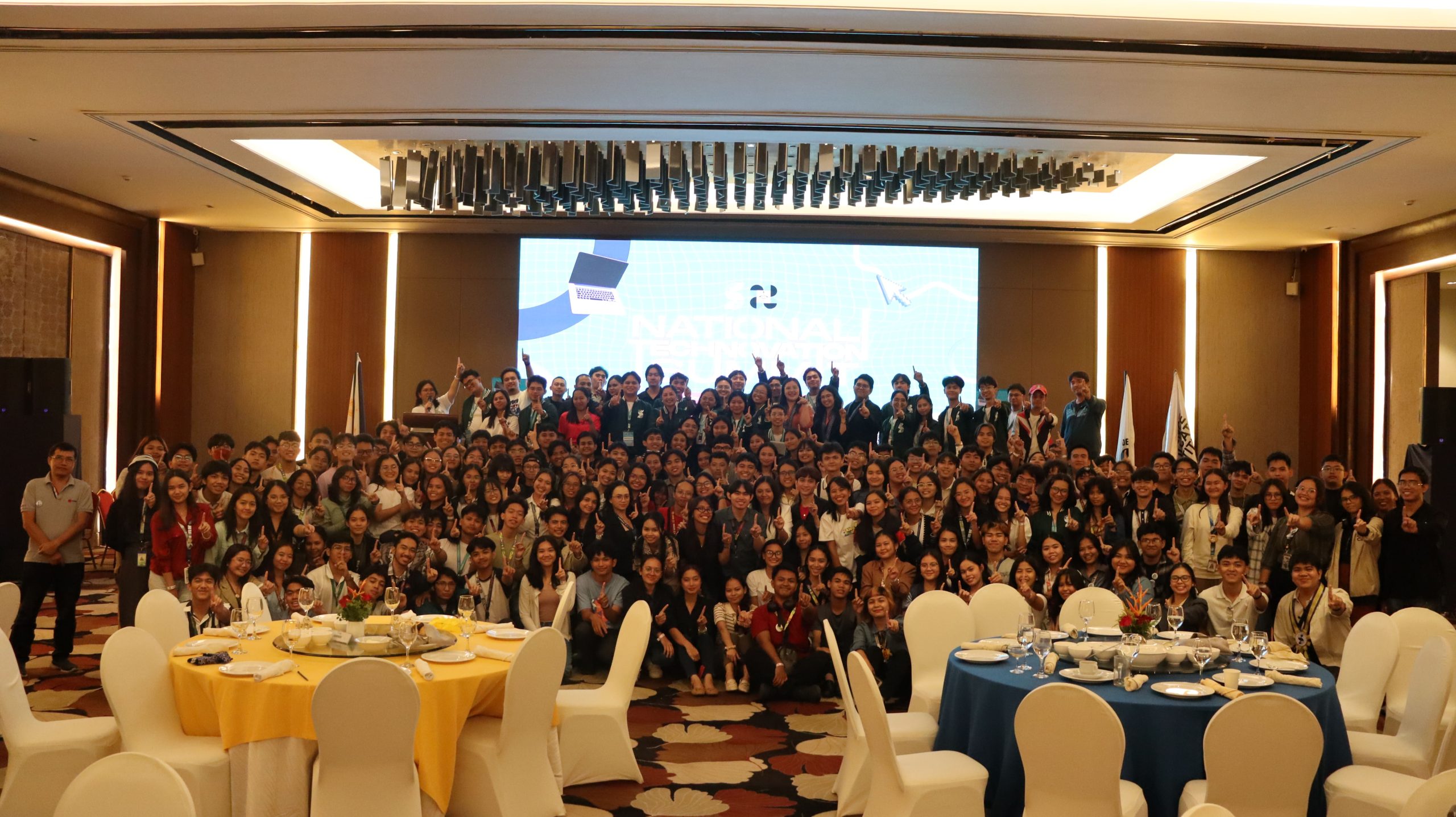
At the National Technovation Summit, Ethereum Philippines introduced D/Acc and how defensive technologies like blockchain and cryptography can protect society in the age of AI.
During the summit, the talk explored the idea that as powerful technologies such as artificial intelligence accelerate, society must also develop defensive technologies that reduce systemic risks. Blockchain and cryptography were presented as examples of these defensive tools—technologies that help build transparent systems, reduce reliance on centralized intermediaries, and create programmable forms of trust.


Understanding Defensive Accelerationism
The talk introduced the audience to the concept of Defensive Accelerationism (D/Acc), which argues that technological progress should be matched by technologies that protect people and institutions from emerging risks. While some technologists advocate accelerating AI development at full speed, the D/Acc perspective emphasizes building safeguards alongside innovation.
Blockchain and cryptography were presented as key components of this defensive stack. These technologies enable transparent rules, verifiability, and trustless systems where the logic of the system is enforced by code rather than centralized authorities. In this model, rules can be embedded directly into digital infrastructure through smart contracts, allowing systems to operate with predictable and auditable behavior.
Modern Problems That Cryptography Can Solve
The session also explored practical examples of how decentralized technologies can address real-world challenges. One concept discussed was a composable marketplace where farmers could consign their crops before harvest, enabling transparent supply chains, automated insurance, and better coordination between producers and buyers.
Other examples included decentralized media authentication platforms to combat misinformation, community-driven commuter DAOs that allow citizens to coordinate transportation initiatives, and crowdfunding systems that allow Filipino researchers to receive funding directly from supporters. These ideas demonstrated how blockchain can serve as a coordination layer for public systems, enabling transparent governance and programmable economic incentives.
By framing blockchain within the broader context of defensive technologies, the talk invited participants to think beyond speculation and instead imagine how cryptography can help build infrastructure that protects trust, information, and economic coordination in a rapidly changing technological landscape.
As technology accelerates, we must also build technologies that protect.