

One of the most important builder ecosystems isn’t a hackathon or a conference—it’s the classroom.
Blockchain communities often measure success through hackathons, grants, or startup launches. While these are important, long-term ecosystem growth begins much earlier: in education. Through the Blockchain Curriculum: Train the Trainers Program, Ethereum Philippines helped lay the groundwork for one of the country’s most ambitious blockchain education initiatives, enabling universities across Mindanao to begin teaching the Ethereum stack as part of their academic programs.
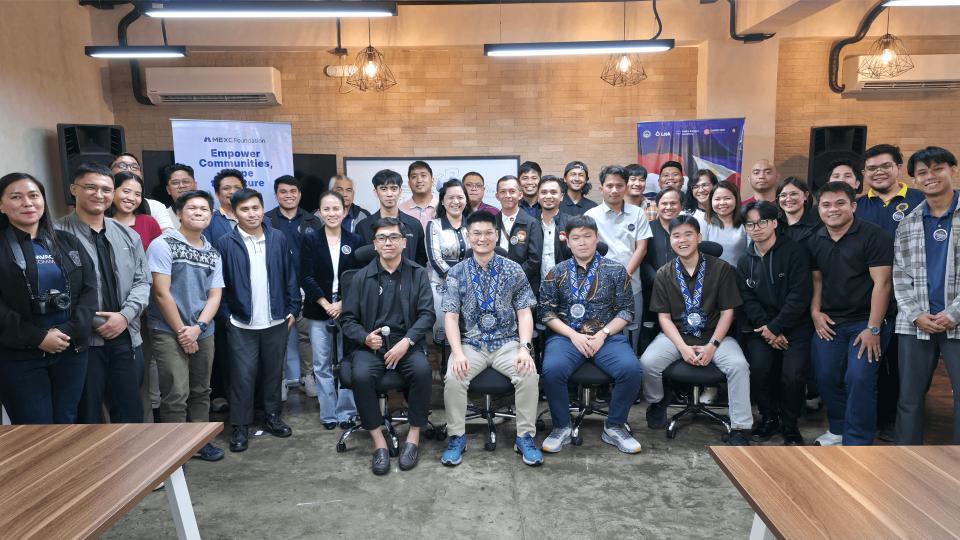
Bringing Ethereum into the Classroom
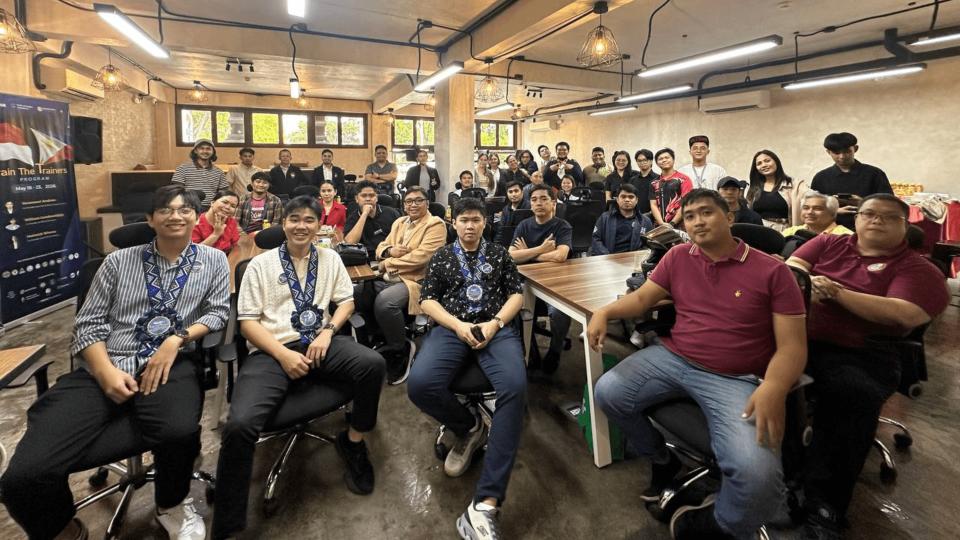
The program gathered faculty members, academic leaders, government representatives, and ecosystem organizations for an intensive week-long training designed to prepare educators to teach blockchain confidently. Participants explored subjects ranging from blockchain fundamentals and smart contracts to decentralized application development, ensuring that instructors could deliver both theoretical knowledge and practical, builder-focused learning.
What made this initiative historic was its scale. The pilot brought together colleges and universities spanning Mindanao, representing institutions across multiple provinces and cities, alongside local government and innovation hubs.
Collectively, these institutions serve a significant portion of the country’s student population, marking one of the largest coordinated efforts to introduce the Ethereum Virtual Machine (EVM) stack into Philippine higher education.
The initiative was spearheaded by Davao DeFi Community and Ethereum Philippines (ETHPH) in collaboration with Davao del Sur State College, Lisk, and Pelita Bangsa Academy. Drawing from years of experience implementing blockchain curricula in Indonesia and Malaysia, Pelita Bangsa Academy helped transfer proven educational frameworks that can now be adapted to the Philippine context.
Building the Next Generation of Filipino Builders
The program extended far beyond a single training event. It established the Blockchain Curriculum Consortium, a long-term collaboration between universities, grassroots communities, industry partners, and government institutions to continuously develop blockchain education across the country. The consortium creates a sustainable model where academia provides formal education, communities offer continuous learning opportunities, and industry ensures that graduates remain aligned with real-world technologies.
The initiative was supported by organizations including the Ethereum Foundation, Geode Labs, MEXC SEA, DICT Region XI, CDITE XI, Nuxify, Certifika, and numerous community partners across Southeast Asia. This broad coalition reflects a shared belief that blockchain education should not remain isolated within developer communities—it should become part of mainstream computer science education.
For Ethereum Philippines, this represents more than curriculum development. It is the beginning of a long-term investment in Filipino talent. Every professor trained through the program has the potential to teach hundreds of students throughout their career. Every university that adopts the Ethereum stack creates new opportunities for research, innovation, and open-source contribution. Rather than onboarding builders one event at a time, this initiative helps build an educational pipeline capable of producing generations of Ethereum developers.
The vision extends well beyond Mindanao. As the pilot demonstrates the viability of a structured blockchain curriculum, ETHPH and its partners hope to expand the model to institutions across the Visayas and Luzon, establishing a nationwide foundation for Ethereum education in the Philippines.
The greatest multiplier for a builder ecosystem is not a workshop—it's a university.