



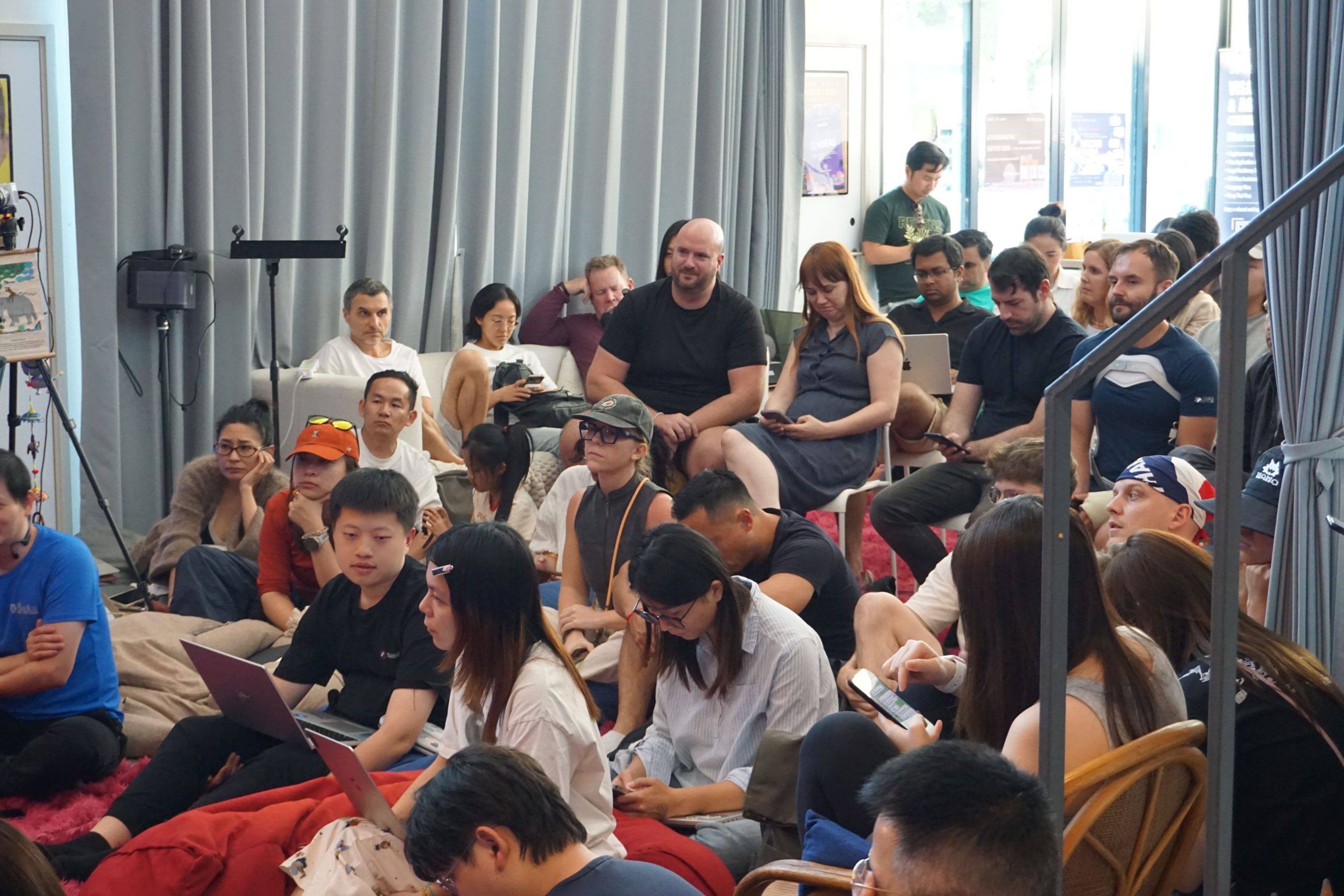
At ETH Chiang Mai, the Philippine Ethereum story was shared with builders, researchers, and cypherpunks from across the world.
Credits to ETH Chiangmai for the photos, and for hosting an awesome event.
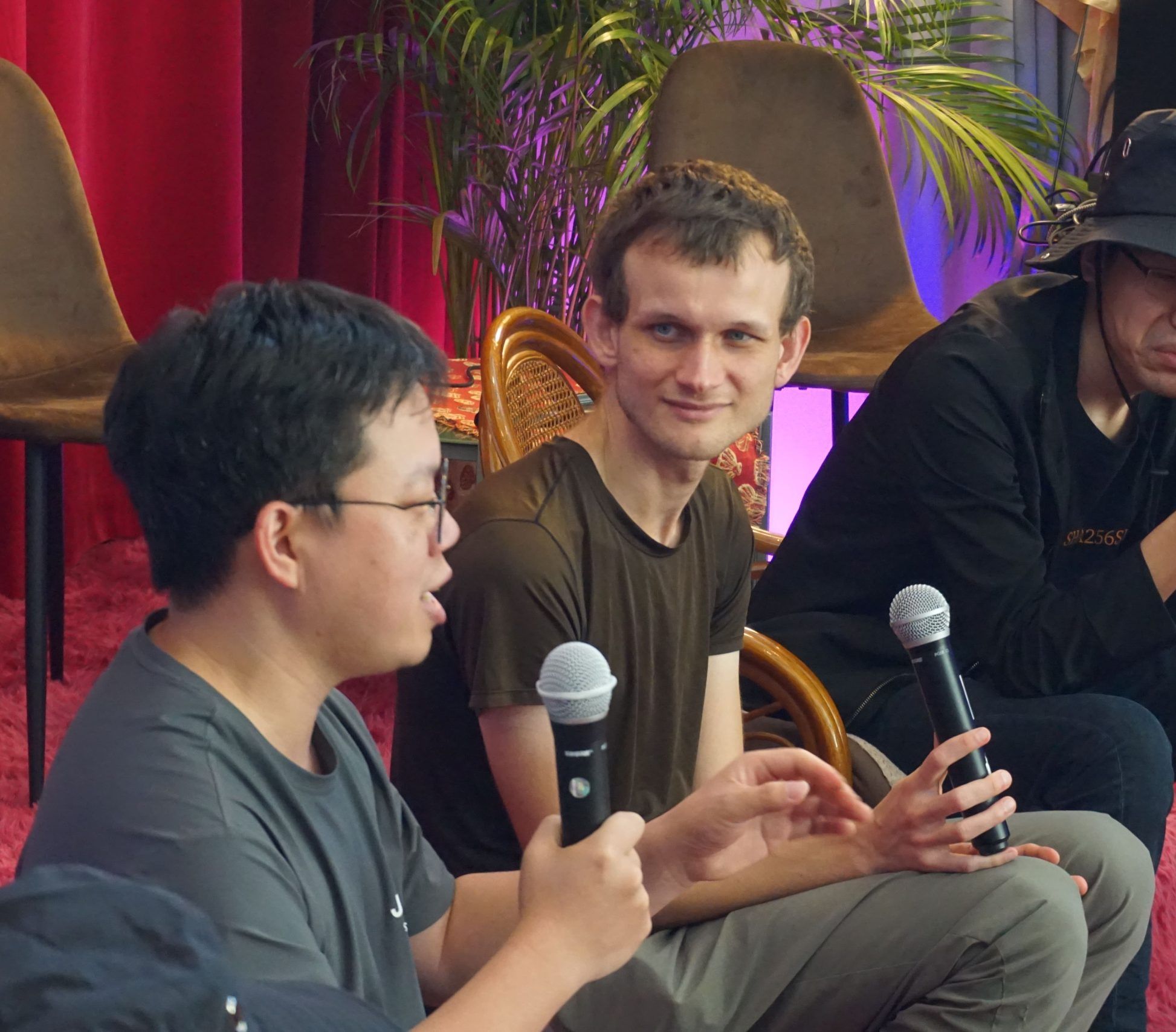
During ETH Chiang Mai, Tin Erispe of Ethereum Philippines (ETHPH) presented a perspective on the Philippine crypto ecosystem—how adoption happened, why Filipinos approach technology pragmatically, and why grassroots communities play such an important role in translating global Ethereum ideas into local realities. The discussion placed the Philippines within the broader global movement of builders working toward decentralized infrastructure.
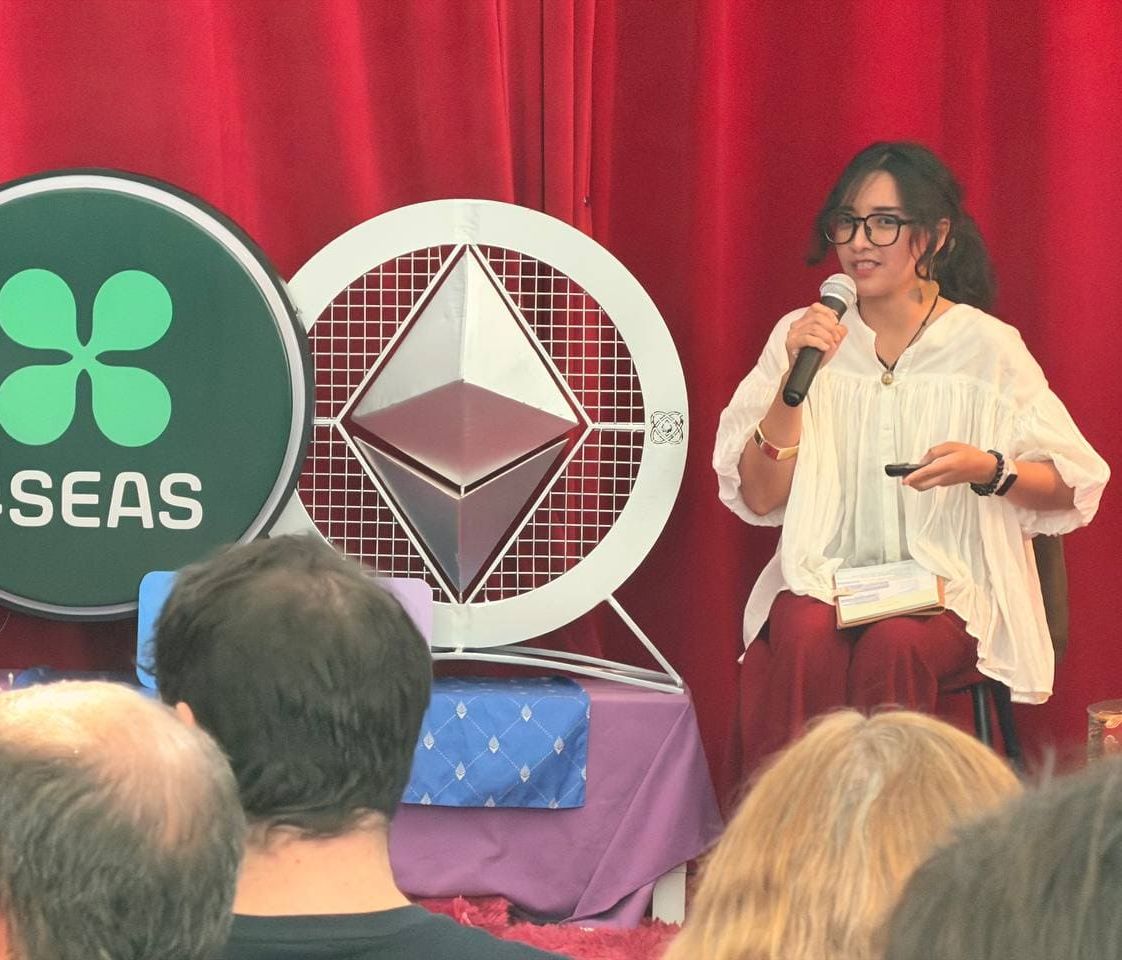

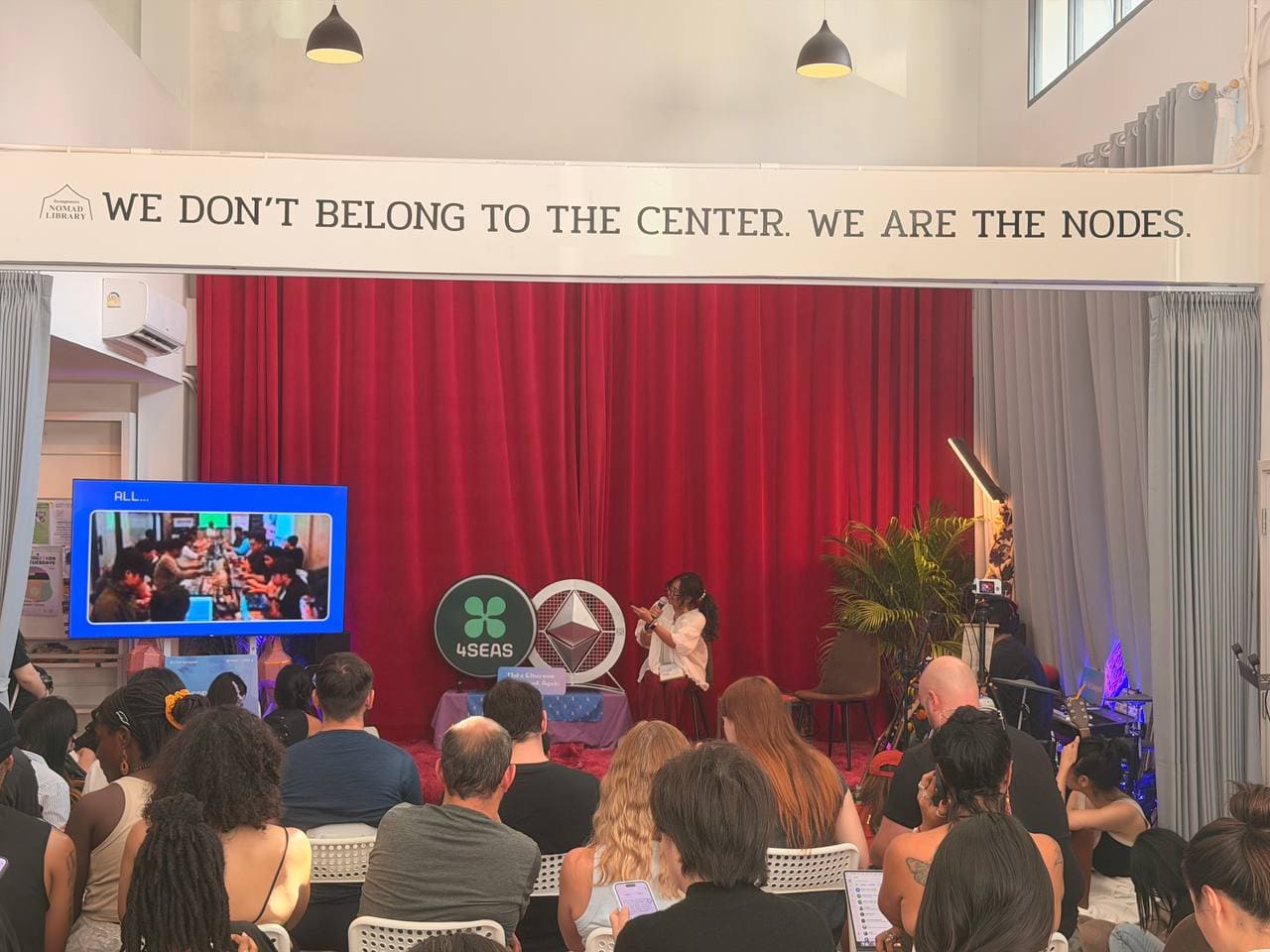
The Philippine Ethereum Story
The talk began with an honest observation: in the Philippines, most people do not enter crypto because of ideology. Users tend to adopt technologies that are practical, useful, and economically meaningful, and they abandon them quickly when they fail to deliver value.
Yet adoption happened anyway. High internet usage, a large unbanked population, and the economic realities of remittances and digital work created an environment where blockchain tools could find real users.
Government institutions have also begun exploring the space, from tokenized treasury bonds to research into digital currency and real-world asset tokenization.
For ETHPH, this reality shaped how the community operates. Instead of assuming people will naturally gravitate toward decentralization, the work often involves bridging global Ethereum ideas with local conditions—filling gaps in education, tooling, and technical understanding so that developers can actually build and apply the technology.
A Conversation with Vitalik
The event also brought together cypherpunks, researchers, and builders from across Asia and beyond, including Ethereum co-founder Vitalik Buterin. During the discussion, Tin asked a question about a long-standing tension in decentralized technology: privacy-preserving and decentralized systems often come with more complexity, making them harder to compete with centralized alternatives.
Vitalik responded by pointing out that many decentralized tools are now moving beyond the experimental stage. He shared that he already recommends tools like Signal and decentralized storage platforms to non-technical friends. He also described how his own transition from Windows to Linux reflected the same principle—while Linux initially required more effort, it eventually offered capabilities and freedoms that centralized systems simply could not provide.
The takeaway for many in the room was that decentralized technologies do not win purely through ideology. They win by offering practical advantages that centralized systems cannot match.
For the Philippines, this perspective resonates strongly. Filipino users tend to adopt technologies that work in practice, and when decentralized systems solve real problems—whether in finance, coordination, or digital ownership—people quickly recognize their value.
Decentralization wins not just when people believe in it—but when it proves useful.