




Across two major regions, Ethereum Philippines joined government leaders to discuss how institutions should understand—and responsibly adopt—blockchain technology.
The DICT Executive Briefing for Digital Leaders gathered government officials and institutional leaders to explore emerging technologies shaping the future of public infrastructure and finance. During the sessions in Region 7 (Cebu) and Region 11 (Davao), Ethereum Philippines presented an overview of blockchain’s role in modern fintech systems while also discussing the risks, misuse patterns, and governance considerations that institutions must understand before adopting these technologies.

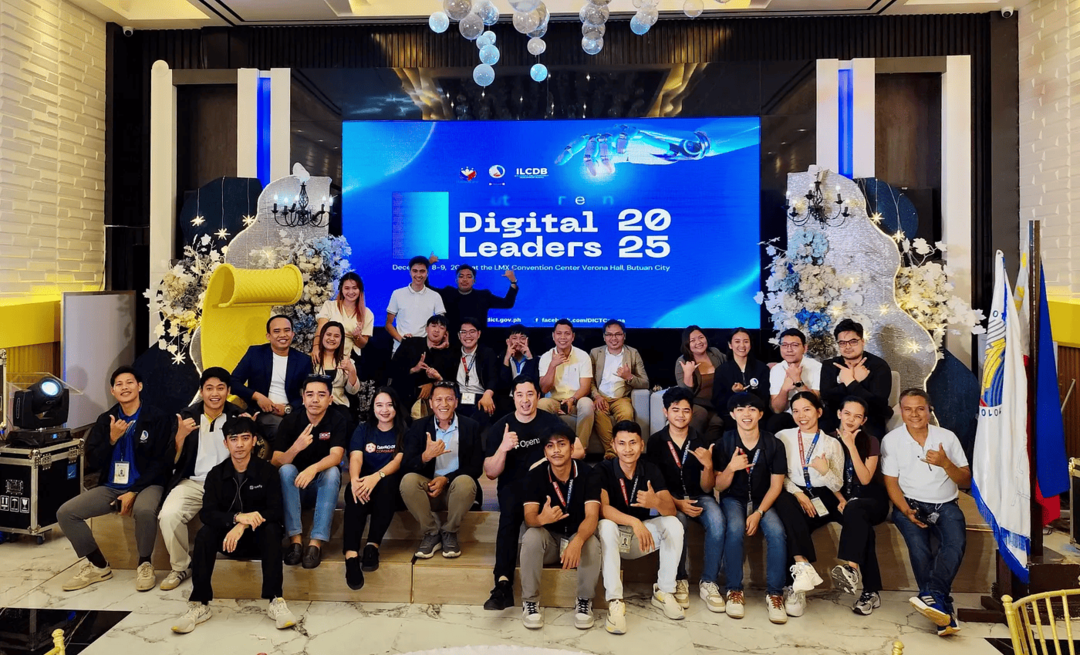

Explaining Blockchain to Institutional Leaders
The Cebu briefing focused on building the right mental models for institutional fintech and blockchain adoption. The talk emphasized that Web3 is not simply cryptocurrency or a speculative system, but rather an infrastructure layer that allows rules and processes to be embedded directly into digital systems through programmable code. It also tackles examples from the neighboring countries. The trend is how we are moving from siloed finance to open finance.
Participants were introduced to concepts such as “code is law,” programmable trust, and decentralized systems, illustrating how blockchain networks can act as shared infrastructure across institutions. The discussion also highlighted how cryptography enables transparent rules, verifiable transactions, and systems that reduce reliance on intermediaries while maintaining strong auditability.
Opportunities and Risks for the Public Sector
The session also addressed real-world use cases where blockchain could support public systems, including supply chain transparency, disaster aid distribution, document verification, and procurement traceability. These examples illustrated how decentralized technologies can help create stronger audit trails and reduce systemic friction across agencies.
At the same time, the briefing highlighted important risks that institutions must be aware of. Misuses such as token-based scams, fraudulent NFT projects, and money laundering through poorly regulated exchanges demonstrate that technology alone cannot eliminate abuse. Instead, effective oversight must focus on entry and exit points such as exchanges, compliance tooling, and regulatory coordination between agencies.
During the Region 11 briefing in Davao, the conversation continued with local digital leaders, emphasizing how government institutions can approach blockchain adoption thoughtfully—balancing innovation with responsible governance. By engaging directly with policymakers and regional leaders, ETHPH continues to contribute to discussions about how emerging technologies can be integrated into Philippine digital infrastructure.
Code may define the rules of a system—but good governance decides how those rules are used.